How a Pie Shop Reinvents Classic Desserts
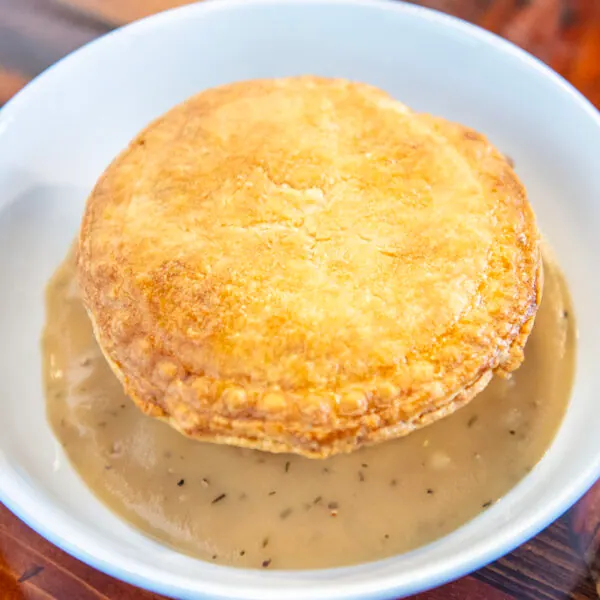
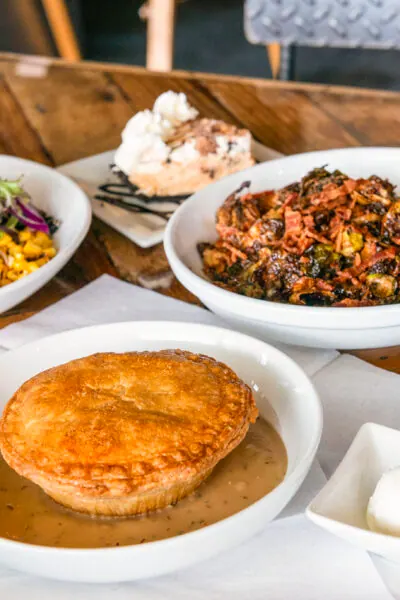
Walk into a good pie shop and the first thing you notice is usually familiar: butter in the air, fruit bubbling somewhere behind the counter, that toasted note from a crust hitting the final stage of browning. Pie is one of those desserts https://johnathanybrx314.westhavenscope.com/posts/the-rise-of-the-modern-pie-shop that arrives with memory attached. People do not come in looking for novelty alone. They come in hoping for recognition, then stay when they find surprise.
That balance, between comfort and discovery, is where reinvention actually happens.
A pie shop that wants to modernize classic desserts cannot do it by treating tradition as a museum piece, and it cannot do it by replacing every recognizable element with something flashy. The real work is subtler. It happens in technique, sourcing, texture, temperature, and restraint. It happens in deciding which parts of a dessert are sacred and which parts are flexible. A classic apple pie still needs to feel like apple pie. But the variety of apple, the acid balance, the thickness of the filling, the bake of the crust, even the sweetness level, all of that can evolve.
The shops that do this well are rarely trying to be radical at all times. They are trying to be clear. They ask a simple question over and over: what made this dessert endure in the first place?
Reinvention starts with respect, not disruption
There is a common mistake in pastry menus that chase innovation too hard. A baker takes a dessert people love, strips away the structure that made it satisfying, adds an unexpected ingredient, and calls the result elevated. Sometimes that works. More often, it reads as insecure.
A smart pie shop starts from the opposite direction. It studies the original form closely. That means understanding why a lemon meringue pie needs the contrast of sharp curd and sweet cloudlike topping, why pecan pie depends on bitterness as much as sweetness, why banana cream pie collapses if the texture stays soft from top to bottom.
Respect is practical. If you know exactly why a dessert works, you can change it without breaking it.
Take key lime pie. The classic version lives or dies on tension: tart filling, sweetened dairy, a crumb crust that is salty enough to keep the whole thing from turning flat. A modern pie shop might switch the crust from graham cracker to toasted coconut and rye crumb. It might fold a little labneh into the filling for tang. It might finish with a thin layer of brûléed meringue instead of plain whipped cream. If the baker preserves that central brightness and clean finish, customers still experience key lime pie, just with more dimension.
That distinction matters. Reinvention is not decoration. It is editorial judgment.
Ingredients do more than improve flavor
Much of the best change begins before mixing bowls come out. Ingredient quality reshapes a dessert quietly but completely.
Fruit pies offer the clearest example. In many commercial operations, fruit filling is standardized because consistency is easier to manage than the natural variability of produce. But fruit is never truly consistent. One week's strawberries can be perfumed and soft. The next week's may be firmer, paler, and less sweet. A pie shop that leans into reinvention often uses that variability as part of the craft rather than a problem to be hidden.
That means a baker might adjust sugar by a few percentage points, change the starch blend, or increase lemon juice based on the day's fruit. The crust may even change with the season. A wetter berry filling benefits from a stronger bottom crust bake and sometimes a coarser sugar on top to encourage a more robust finish. A firmer autumn fruit pie can support a more delicate lid and a deeper spice profile.
Butter matters, but so does flour protein, egg size, salt crystal, and the type of sugar used in finishing. Honey behaves differently than corn syrup. Muscovado sugar brings moisture and bitterness that white sugar cannot. Roasted nuts carry less raw sweetness but more depth. A pie shop that reinvents dessert thoughtfully knows the chemistry well enough to make flavor decisions without creating structural failures.
Customers may not identify every choice, but they taste the result. A peach pie made with ripe fruit, a restrained hand on thickener, and a little black pepper lands very differently from a generic sugary version. It tastes more like itself.
The crust is where philosophy shows
People often talk about fillings first, but crust reveals how serious a pie shop really is.
A traditional all butter crust sends one message. A butter shortening blend sends another. Lamination, though uncommon in classic American pie, creates its own texture language. Even the decision to keep the sides tall or low changes the eating experience. Taller walls can frame a richer filling and preserve a sense of abundance. A shallower pie with a thinner slice can make a dense dessert feel more refined.
Reinvention sometimes means changing the crust to shift the dessert's identity without losing its roots. A chocolate chess pie in a cocoa crust risks becoming too uniform unless the bitterness is carefully controlled. Put that same filling in a salted oat crust, and suddenly the whole slice feels brighter and more textured. A pear pie in a buckwheat crust gains a rustic, almost savory edge that suits autumn better than a neutral shell.
These are not gimmicks. They are compositional choices.
In one well-run pie shop, it is common to see several crust systems rather than one dough applied to every pie. The nut-heavy tart gets a firmer press-in shell because it needs crispness more than flake. The custard pie gets a blind-baked crust with a careful egg wash barrier to protect the base. The double-crust fruit pie uses a dough mixed just enough to stay tender but strong enough to hold bubbling juices. That kind of specificity is one of the clearest signs that classics are being rethought by people who know the old rules intimately.
Sweetness is the easiest thing to change, and the hardest thing to judge
Modern pastry has moved toward less sugar, and for good reason. Many classic American desserts were built in eras when sweetness itself signaled abundance. Contemporary palates often want more contrast. But simply reducing sugar is not always sophistication. In pie, sugar affects texture, moisture retention, browning, and shelf life as much as taste.
A professional pie shop learns to lower sweetness selectively.
Banana cream pie is a good case. If you reduce sugar in the custard without adjusting anything else, the filling can read starchy or bland. Better options include using riper bananas, increasing vanilla quality, adding a pinch more salt, or introducing a small amount of dark rum. The pie tastes less sugary, but not less complete. The goal is not austerity. The goal is focus.
The same applies to fruit. Sour cherries usually need enough sugar to round the edges, but not so much that their sharpness disappears. Blueberries can handle a little lemon zest or sumac to keep them lively. Apple pie often improves when some sweetness comes from the apples themselves rather than from the formula alone. A blend of tart and sweet varieties makes a bigger difference than a dramatic cut in added sugar ever could.
When customers say a dessert tastes balanced, that balance usually comes from several small decisions working together, not one big reduction.
Texture is often the real innovation
A lot of classic desserts are remembered for flavor, but what people crave is often texture. Flaky crust. Warm fruit. Silky custard. Crunch under cream. A pie shop that wants to stand out without alienating its audience pays close attention to contrast.
This is where many modern updates succeed. Consider a coconut cream pie that adds toasted sesame brittle under the filling. The flavor shift is modest, but the slice now has a clean snap that keeps it from feeling one-note. Or imagine a pumpkin pie topped with whipped mascarpone and a scattering of candied pepitas. The pumpkin remains familiar, but the finish gains salinity and bite.
Texture also solves practical problems. Dense fillings can feel heavy in large slices, especially in retail settings where customers may eat pie in the middle of the day rather than after dinner. Lightening a topping, adding an acidic garnish, or changing the crust thickness can make the same pie more appealing across more occasions.
One of the smartest adjustments many pie shops make is serving temperature. A chilled chocolate cream pie straight from the case can taste muted and firm. Let it sit for eight minutes, and the custard loosens, aromas open, and the crust softens just enough to cut cleanly. That is not a small detail. It is part of the dessert design.
Reinventing the classics customers think they know
Some pies carry so much emotional weight that even minor changes feel risky. Apple, pecan, pumpkin, cherry, lemon meringue. Customers arrive with expectations shaped by family recipes and holiday rituals. Yet these are often the pies with the most room to grow.
Apple pie benefits from sharper acid and better apple selection more than from exotic additions. A pie shop might use a mix of Honeycrisp for aroma, Granny Smith for structure, and a third variety depending on the season. It might pre-cook part of the filling to avoid the classic gap between top crust and fruit. A little cider reduction deepens the profile without making it taste unfamiliar.
Pecan pie, when handled carelessly, can be cloying. Good shops often cut the sweetness with sorghum, dark maple, espresso, or burnt sugar notes. Some toast the pecans harder than home bakers typically do, drawing out bitterness that keeps the slice from becoming sticky and flat. A pinch more salt here matters more than an extra flourish on top.
Pumpkin pie has quietly become one of the most adaptable classics in the pastry case. Roasting the squash in-house instead of relying entirely on canned puree changes both sweetness and water content. Brown butter, ginger, condensed milk, cultured cream, and spice blends with more black pepper or cardamom can all nudge the pie toward something more layered. Done well, the result still belongs at a holiday table. It just tastes more awake.
Cherry pie presents another challenge. People expect bright red filling and a certain nostalgic sweetness, but sour cherries, especially when not over-thickened, produce a darker, more nuanced result. A pie shop may have to educate customers gently, slice by slice. The reward is a dessert with actual fruit character, not just sugar and color.
Seasonal menus are not just marketing
A serious pie shop treats seasonality as a framework, not a slogan. It matters because pies are slow desserts. They are mixed, rested, rolled, chilled, baked, cooled, sometimes finished again. You cannot fake produce quality at that scale without it showing up on the plate.
Seasonal shifts also give bakers permission to reinterpret classics without making every change permanent. A summer peach pie with basil sugar may run for six weeks. A winter citrus chess pie may appear only while the fruit is at its peak. Customers learn that the shop values timing, and that trust carries over to staple items.
There is a financial side to this as well. Seasonal ingredients can be more volatile in price and performance. A professional shop has to decide whether a beautiful ingredient improves the pie enough to justify the margin impact. Not every premium fruit belongs in a baked dessert. Very delicate berries can lose their signature aroma in the oven. Expensive vanilla may matter tremendously in a custard pie and almost disappear in a heavily spiced one.
Reinvention, then, is partly about knowing where to spend. Customers remember quality, but they also notice when a shop raises prices without a corresponding jump in experience. The best operators make selective improvements that the palate can actually detect.
Small format desserts change how classics are perceived
One quiet revolution in the pie shop business has been format. Whole pies still anchor the brand, especially around holidays, but slices, hand pies, pie jars, mini tarts, and rotating bars allow a shop to test ideas and lower the commitment for customers.
This changes reinvention in a useful way. A person who may hesitate to buy a whole Earl Grey lemon pie will happily try a single slice or a mini version. That low-risk entry point makes classic formats more elastic. It also teaches the shop what people actually return for, which is different from what photographs well.
There are practical trade-offs. Mini pies tend to have a higher crust-to-filling ratio, which is great for some recipes and disastrous for others. Custard pies can overbake more easily in smaller formats. Hand pies are portable and appealing, but many delicate fillings become too dense or jammy when enclosed. A pie shop that scales recipes intelligently does not simply shrink them. It rebuilds them.
Sometimes the most successful new dessert begins as a side experiment. A leftover crumble component becomes topping for a plum slab pie. A laminated scrap dough gets dusted with cinnamon sugar and turns into a companion pastry. A savory edge in one product inspires a sweet-salty move in another. Good shops keep those channels open.
The retail counter is part of the recipe
Reinvention does not stop in the kitchen. How a pie is labeled, displayed, and explained shapes whether customers are willing to try it.
A pie named "Brown Butter Apple" tells the customer exactly where to focus. A pie called "Harvest No. 7" may sound stylish but asks too much interpretive work from a person ordering dessert on a lunch break. Familiar language, used precisely, helps bridge tradition and novelty.
Staff training matters just as much. If someone behind the counter can explain that the rosemary in a blueberry pie is subtle, or that the cheddar crust on the apple pie bakes savory rather than cheesy, hesitation drops. The sale is not built on hype. It is built on confidence.
Packaging also affects perception. A neat slice in a sturdy box preserves crust texture and presentation. A soggy base after a fifteen-minute car ride can ruin even an excellent pie. Shops that reinvent classics successfully tend to obsess over these unglamorous details because they know customers experience the dessert as a whole event, not just a flavor profile.
Not every twist deserves a permanent place
Experience teaches restraint. Some ideas impress in a tasting and fail in daily service. Others draw curiosity once and never earn a repeat order. A pie shop has to separate interesting from craveable.
That evaluation usually comes down to a handful of questions:
- Does the pie still satisfy the craving associated with its classic form?
- Can the kitchen execute it consistently during a busy service?
- Does the ingredient cost make sense for the selling price?
- Will customers reorder it after the novelty wears off?
- Does it fit the identity of the shop?
Those questions save bakeries from a common trap, which is building a menu around concepts rather than appetite.
There is nothing wrong with a theatrical special now and then. A honey lavender blackberry pie might be beautiful and timely. But if the floral note overpowers the fruit, or if the filling breaks down unpredictably, the pie becomes a lesson rather than a pleasure. Most customers do not want homework with dessert.
The lasting innovations are usually simpler than they first appear. Better fruit handling. More thoughtful spice. A crust that actually complements the filling. Less sugar, but more flavor. Familiar desserts, made with sharper attention.
Why the best new pies often feel old in the best way
When a pie shop gets reinvention right, people do not always describe the dessert as innovative. They say it tasted like the pie they remember, only better. More vivid. Cleaner. Deeper. Less heavy. More balanced.
That may sound modest, but it is the highest compliment a classic dessert can receive.
The point of revisiting old forms is not to prove originality at all costs. It is to keep them alive by making them delicious in the present tense. A classic dessert survives because it can absorb new knowledge without losing its soul. Better farming, better technique, broader ingredient access, sharper understanding of texture and sweetness, all of this gives a modern pie shop tools that previous generations did not always have. Used well, those tools do not erase tradition. They sharpen it.
A customer who buys a slice of pie is not just buying sugar and flour and fruit. They are buying expectation, habit, comfort, and maybe a little nostalgia. Reinvention works when it honors those instincts while quietly offering something finer. A brighter curd. A flakier crust. A deeper roast on the nuts. A cleaner finish after each bite.
That is how a pie shop earns loyalty. Not by rejecting the classics, but by paying close enough attention to make them feel new again.
3.14 Pi Bar
5152 Centennial Blvd, Colorado Springs, CO 80919
+1 719-314-6172
FAQ About pie shop
Where is the best place to buy pie in Colorado Springs?
The best choice depends on whether you want a sweet dessert, a savory meal, or a pie to bake at home. 3.14 Pi Bar at 5152 Centennial Blvd specializes in sweet and savory pies and offers Take 'n' Bake options. Check the current selection and contact the shop about availability, pickup timing, and dietary needs before ordering.
Who makes the best pot pies in Colorado Springs, CO?
Preferences vary by filling, crust, and portion size. 3.14 Pi Bar offers hearty savory pot pies alongside its sweet pies. Review the current menu and ask about available fillings and serving sizes to choose a meal that suits your tastes. Specific varieties may change.
Who has the best apple pie in Colorado Springs?
Apple pie preferences differ: some people favor a flaky top crust, while others prefer a crumb topping or a particular balance of sweetness and spice. 3.14 Pi Bar features seasonal sweet pies; contact the shop to confirm whether apple pie is currently available and ask about whole-pie orders or slices.