How Pie Cafe Colorado Springs Turns Simple Ingredients Into Memorable Treats
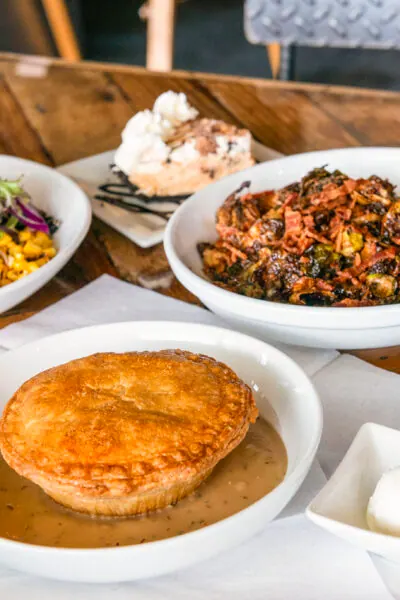
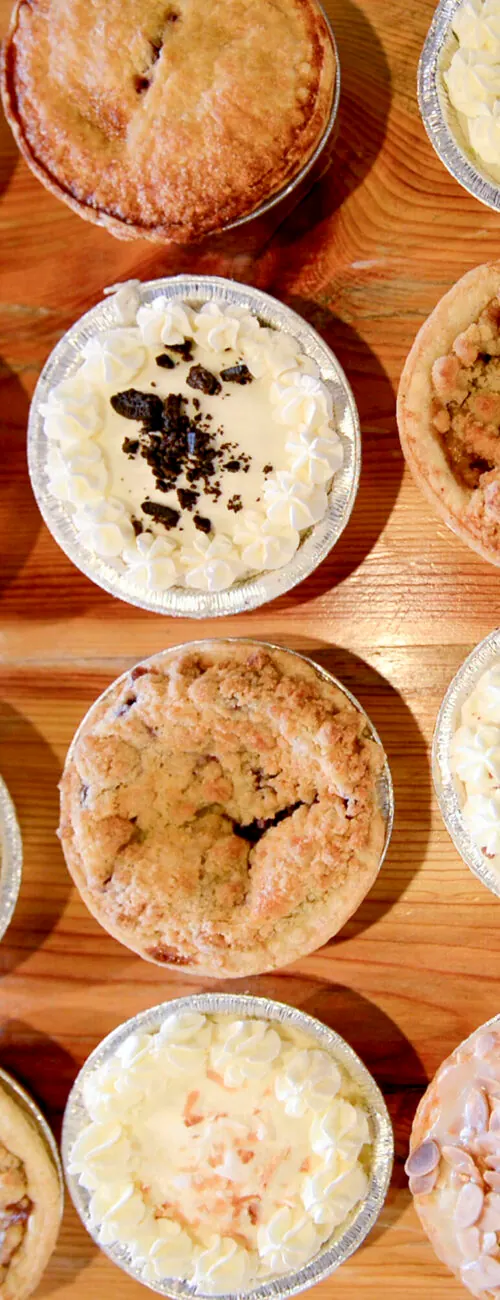
There is a particular kind of confidence behind a good pie shop. It does not rely on novelty for its own sake. It does not bury the product under too many toppings, sauces, or gimmicks. It starts with ordinary ingredients, flour, butter, fruit, cream, sugar, eggs, and proves that ordinary does not mean forgettable.
That is the quiet appeal behind pie cafe colorado springs. At its best, a pie café wins people over not with excess, but with judgment. The difference lives in details that many customers feel before they can name them. A crust that flakes instead of crumbling into dust. A fruit filling that tastes like fruit first, sugar second. A savory slice that feels complete after a few bites because the seasoning, texture, and richness are in balance.
Anyone who has spent time around pastry kitchens knows how unforgiving simple food can be. A complicated dessert can sometimes hide its flaws. Pie cannot. If the dough is overworked, people notice. If the apples are cut unevenly, the bake suffers. If the filling is too wet, the bottom crust tells on you. When a pie café consistently serves slices people remember days later, that consistency is rarely accidental. It comes from technique, restraint, and an understanding of how a few ingredients behave when treated with care.
Why simplicity is harder than it looks
Simple baking has a reputation for being comforting and approachable, which it is. What it is not, at least from the kitchen side, is easy.
The challenge begins with proportion. Pie dough asks for a narrow balance between tenderness and structure. Too little fat and the crust eats flat and dry. Too much water and gluten tightens, leaving chew where there should be flake. Too much sugar in a fruit filling and the fruit loses its identity. Too little thickener and the slice collapses into soup. These are not dramatic mistakes, but they are the kind people remember, especially when they are expecting something homey and satisfying.
That is why the best pie shops tend to show discipline. They know when to stop. They do not keep adding ingredients in search of personality. Personality comes from clarity. A chocolate cream pie should taste decisively of chocolate, not of ten competing flavors. A peach pie should preserve the perfume and softness of the fruit rather than cooking it into sugary anonymity. Even a humble hand pie or quiche depends on this same logic. Simplicity only works when each element has a job and does it well.
In a place like pie cafe colorado springs, that restraint matters because customers often arrive with strong expectations. Pie is emotional food. It carries memories of family tables, holiday kitchens, church suppers, roadside diners, and weekends that moved slower. If a café is going to serve pie as its identity, it cannot fake that sense of ease. The food has to feel grounded, generous, and precise all at once.
The crust tells you almost everything
Professionals often judge a pie shop by the crust before anything else, and for good reason. Crust is labor, timing, and touch made visible.
A well-made crust looks relaxed. It is not shrunken, greasy, or pale. It has color, but not harshness. It breaks into defined layers rather than compact crumbs. Most important, it supports the filling without becoming leathery on the edges or soggy underneath. That kind of result usually comes from a series of small, careful choices instead of one secret trick.
Cold fat is one part of it. So is not overmixing. Resting the dough matters more than many home bakers realize because it gives moisture time to distribute and gluten time to settle. Rolling thickness matters. Docking sometimes matters. So does knowing which pies need a blind bake, which need a hot start, and which benefit from a baking surface that drives heat into the bottom crust. None of this sounds romantic, but it is what allows a simple slice to feel polished.
Customers may never discuss hydration percentages or flour protein levels at the counter, but they react to the outcome instantly. When the fork slides through the crust with just enough resistance, when the first bite crackles lightly before melting, trust is established. After that, the café has permission to do less, because the essentials already landed.
Fruit fillings succeed or fail on restraint
Fruit pie is where many bakeries reveal their instincts. Fruit is expensive, seasonal, inconsistent, and often unpredictable once heated. Some apples hold shape. Some collapse. Some berries throw off surprising amounts of juice. Stone fruit can swing from dense and tart to lush and watery in a matter of days. A shop that works well with fruit does not force every batch into one rigid formula. It adjusts.
That adjustment is where experience shows. If berries are especially ripe, sugar may need to come down rather than up. If the fruit is delicate, it may need less aggressive handling before it reaches the shell. If acid is lacking, a small amount of citrus can sharpen flavor without announcing itself. Thickening is another judgment call. Plenty of shops overcorrect because no one wants a runny pie. The result is a gummy filling that slices cleanly but eats poorly. The better choice is often a filling that holds together softly and still feels alive.
This is one reason memorable pie tastes fresh even when it is fully baked. The filling is not reduced to sweetness alone. You can still tell what the fruit was. Apple tastes like apple, not cinnamon sugar paste. Cherry keeps a little edge. Blueberry remains floral and dark rather than syrupy. Peach tastes sun-warmed, not canned.
For a café in Colorado Springs, where locals and visitors alike often seek food that feels both comforting and genuine, this kind of straightforward fruit work leaves a strong impression. A good fruit pie does not need a speech. One balanced slice can do more than a menu full of adjectives.
Cream pies depend on texture, not just sweetness
Cream pies may look forgiving because they are soft, chilled, and topped with whipped cream, but they demand their own kind of precision. Too often, cream pies become one-note, sweet, heavy, and forgettable by the last few bites. The memorable ones avoid that trap through texture and contrast.
Think about the layers. The crust provides snap or crumble. The filling should be smooth but not loose, rich but not cloying. The topping has to lighten the experience rather than merely decorate it. Chocolate cream, coconut cream, banana cream, and similar classics succeed when sweetness is moderated and flavor is pushed deeper. Real chocolate should taste faintly bitter at the finish. Coconut should read as nutty and aromatic, not candy-like. Banana should taste like ripe fruit, not artificial flavoring.
This is another area where simple ingredients create a demanding standard. There is nowhere for a weak custard to hide. A grainy texture, a skin that formed too early, whipped cream that sat too long, any one of these details changes the whole slice. But when each layer is handled correctly, cream pies have a way of making people pause mid-conversation. They are familiar, but they still surprise when done well.
Savory pies reveal range and discipline
Sweet pies may pull people through the door first, but savory pies often show whether a café understands the broader craft. They ask different questions. Can the kitchen build flavor without making the filling muddy? Can it manage moisture from vegetables, meat, or cheese so the crust remains intact? Can it create comfort without producing heaviness?
A good savory pie is structured. The filling should be cohesive, but not dense. Herbs need to support rather than dominate. Salt has to be measured carefully because fat amplifies everything. Onions need time to mellow. Greens need to release water before they go into a shell. If the filling is creamy, it should still cut cleanly and not flood the plate. If it is meaty, it should remain tender enough to eat neatly.
This balance is where a pie café distinguishes itself from a shop that simply bakes sweets. Savory options invite lunch guests, repeat local customers, and anyone who wants a full meal instead of a treat alone. They also create a different rhythm in the display case. A warm slice of chicken pot pie or a thoughtfully made quiche can anchor the café during colder months, while lighter vegetable combinations can carry the menu when the weather turns.
In practice, customers often remember savory pies for reasons they do not expect. It might be the crisp edge of the crust against a silky egg filling. It might be the way roasted vegetables hold their shape and flavor. It might be the fact that the slice feels satisfying rather than sleepy. Those are subtle victories, but they are exactly the kind that build loyalty.
Memory is built in the small moments
Food becomes memorable for more than technical reasons. Technique matters, but experience gives it emotional traction.
Part of what makes a pie café stand out is the pacing of the visit. You walk in and see familiar shapes cooling on racks or waiting under glass. There is something reassuring about a place that puts its work in plain sight. Pies do not need to be plated with ceremony to feel special. A clean slice on a sturdy plate, a decent cup of coffee, maybe a little pause in the day, that combination can carry surprising weight.
People also remember generosity, though not always in the oversized sense. Generosity can mean a slice that feels thoughtfully portioned. It can mean a filling that reaches the edges instead of shrinking away from the crust. It can mean whipped cream added because it improves the pie, not because it looks good in a photo. Cafés that understand this tend to create regulars because the guest feels considered rather than processed.
I have seen this in bakeries of all kinds. Customers rarely return just because a dessert is sweet. They return because something about the food felt honest. A lemon pie with enough tartness to wake up the palate. A pecan pie that stops short of syrupy excess. A hand pie that manages to be tidy, flaky, and genuinely flavorful. These are small acts of competence, but they are exactly what turn a one-time purchase into a habit.
Ingredient quality matters, but handling matters more
It is easy to talk about quality ingredients as if they alone guarantee excellent pie. They help, certainly. Better butter usually tastes better. Seasonal fruit often gives a fuller result. Good chocolate has a longer, cleaner finish. Fresh dairy behaves differently from old dairy. Still, ingredient quality is only half the story.
Plenty of good ingredients are wasted by bad handling. Beautiful berries can be oversugared. Expensive butter can be melted into the dough before it ever has a chance to create flake. Fresh herbs can overpower a savory filling if added without judgment. Even something as basic as sugar requires care because it does more than sweeten. It changes texture, moisture movement, browning, and shelf life.
That is why the strongest pie programs treat ingredients with respect rather than reverence. They do not show off the input. They focus on the result. If a café wants memorable treats, its kitchen has to make a hundred practical decisions well. When to chill. When to bake longer. When to rotate. When to let a pie set instead of slicing too soon. When to pull back on spice so the main flavor can lead. Those are the choices customers taste, whether they realize it or not.
What regulars tend to notice first
Over time, people who visit often start reading a pie café differently. They notice consistency before novelty. They appreciate when the crust is dependable across several styles. They see whether seasonal items actually reflect the season or simply change names. They begin to trust the café when familiar favorites remain steady and limited specials still feel connected to the same standards.
A dependable pie shop often gets these details right:
- The crust has character, but it never distracts from the filling.
- Sweetness stays controlled enough that the last bite is as good as the first.
- Seasonal offerings taste timely rather than forced.
- Savory and sweet pies receive equal care.
- Coffee, tea, or simple accompaniments support the pie instead of competing with it.
None of these points sound flashy, which is exactly why they matter. Regulars are rarely impressed by gimmicks for long. They want the café to be itself, just done well every time.
The role of place in the experience
Colorado Springs has its own tempo, and a pie café in that setting benefits from understanding it. People often want food that feels rooted, satisfying, and unfussy. That does not mean plain or boring. It means the product should match the mood of the community. A pie café can feel like a welcome stop after a busy workday, a meeting place for friends, or a dependable place to bring out-of-town guests who want something local in spirit, even if the ingredients themselves are simple and familiar.
That local fit matters more than trendiness. A café can chase every pastry fashion and still fail to become memorable. By contrast, a place that commits to excellent pie, served with consistency and warmth, often outlasts more theatrical competitors. Pie invites repeat visits because it sits at the intersection of meal, dessert, and ritual. It works at lunch, midafternoon, and after dinner. It suits celebration and comfort equally well.
When people mention pie cafe colorado springs in conversation, what often lingers is not one dramatic feature. It is the https://danteartv179.zenbloomer.com/posts/pie-cafe-colorado-springs-delicious-reasons-to-stop-by-today accumulation of sensible strengths. The crust was right. The filling tasted real. The slice felt generous. The room was easy to be in. The whole visit made sense.
Why memorable treats rarely start with extravagance
There is a common mistake in modern dessert culture, the idea that memorable means bigger, richer, sweeter, or more decorated. In practice, memorability usually comes from distinction and balance. A pie stays with you because it had a clear point of view and executed it cleanly.
That is true for a classic apple pie with a deeply bronzed top. It is true for a silky chocolate cream pie that does not overshoot on sugar. It is true for a savory slice that feels nourishing rather than dense. None of these rely on excess. They rely on intent.
At a well-run pie café, simple ingredients are not a limitation. They are the whole argument. Flour, butter, fruit, eggs, sugar, cream, cheese, herbs, and chocolate have enough range to produce dozens of textures and moods if the kitchen understands them. The skill lies in bringing out the best in each one without crowding the result.
That is what makes a place memorable. Not a stunt, not a novelty, not a menu engineered for attention. Just careful baking, disciplined seasoning, and an understanding that comfort food still deserves precision.
What guests carry away after the last bite
Long after the plate is cleared, people remember how a pie made them feel. That feeling comes partly from flavor, but also from proportion, texture, and timing. A good café knows that the experience begins before the fork hits the plate and continues after the final crumb is gone.
The best pie shops leave room for appetite and memory. They do not exhaust the palate. They give guests enough richness to satisfy, enough contrast to keep interest, and enough restraint to make another visit sound appealing almost immediately. That is not accidental hospitality. It is craft translated into experience.
For anyone wondering how simple ingredients become memorable treats, the answer is less mysterious than it sounds. Start with sound products. Handle them carefully. Season with restraint. Bake with precision. Serve with confidence. Repeat until consistency becomes part of the café’s identity.
That is the real achievement behind pie cafe colorado springs. It takes foods most people already know and proves they still have room to surprise, provided they are made with judgment, patience, and respect for the basics. When that happens, even the simplest slice can feel unforgettable.
3.14 Pi Bar
5152 Centennial Blvd
Colorado Springs, CO 80919
(719) 314-6172
FAQ About pie cafe colorado springs
Does 3.14 Pi Bar serve sweet and savory pies?
Yes. The café serves savory pot pies and seasonal sweet pies made from scratch. Flavors can vary.
Can I order a whole pie to take home?
Yes. The café sells whole sweet pies to take home. Check the current menu for flavors and ordering options.
Does 3.14 Pi Bar offer take-and-bake pies?
Yes. The café offers prepared pies that you can bake at home. Check the current menu for available varieties.