Why a Homemade Feel Matters in a Pie Shop

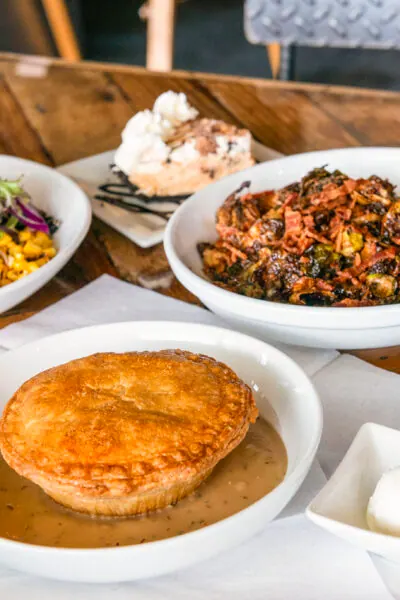
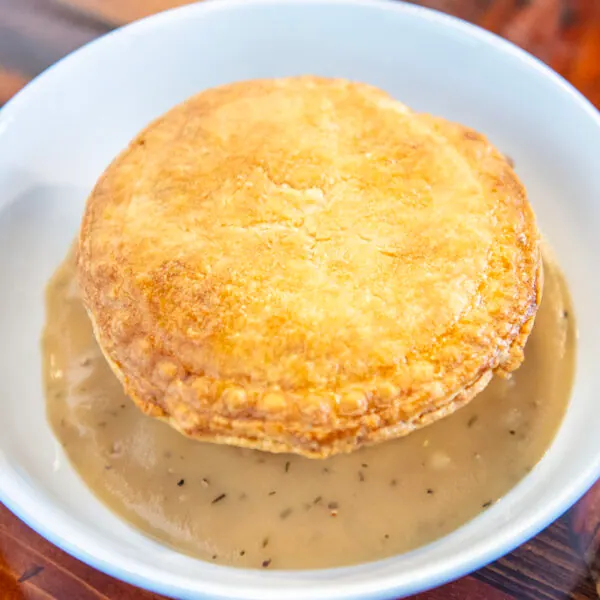
A pie shop can serve excellent food and still feel forgettable. That is the hard truth behind many places that get the recipes right but miss the deeper reason people come back. Pie is not only about flavor. It is about memory, trust, comfort, and the quiet reassurance that somebody cared enough to make something by hand, with attention, rather than push a product through a system.
That homemade feel matters because pie belongs to a category of food that people judge emotionally before they judge it technically. A customer can taste a good crust and appreciate the balance of sweet and tart in the filling. But before the first bite, they have already made a different kind of decision. They have looked at the display case, the lighting, the style of the signage, the way the fruit sits in the shell, even the way the person behind the counter wraps a slice. All of those signals tell them whether this place feels personal or industrial.
That distinction changes everything. In a pie shop, homemade is not a trend or a branding trick. It is the entire frame through which customers understand value.
Pie carries more emotional weight than most foods
Not every food needs to feel homemade in order to succeed. A burger chain can sell speed, consistency, and convenience. A coffee shop can compete on efficiency during the morning rush. Pie works differently. Pie is tied to holidays, family tables, roadside diners, church suppers, grandparents’ kitchens, and the kind of meals people remember years later with surprising clarity.
That emotional history creates a very specific expectation. People do not walk into a pie shop hoping to feel as if they are buying a sealed commodity. They want to feel as though someone in the back rolled dough, sliced fruit, checked the bake, and adjusted by instinct when the apples came in sweeter than usual that week.
Even younger customers, including those who did not grow up baking at home, still respond to that sense of care. They may not have a vivid memory of watching pie cool on a windowsill, but they know when a place feels real. They can sense when a blueberry pie looks like berries were folded gently into a filling rather than poured from a bag. They notice when meringue has the irregular peaks of a human hand rather than the identical finish of a machine.
The homemade feel is powerful because it gives the customer a story they can believe. Good food satisfies hunger. Food with a believable story earns loyalty.
Trust starts long before the first bite
In food retail, trust is practical. Customers want to know that what they are buying is fresh, worth the price, and made with sound judgment. A homemade feel supports that trust in ways that polished branding alone cannot.
Consider the display case. If every pie is perfectly identical, with edges so uniform they look stamped rather than shaped, some customers will admire the neatness. Others will start to wonder whether the pies were manufactured elsewhere. In a pie shop, a little natural variation can work in your favor. One lattice might sit slightly tighter than another. The crimp on the crust might be more generous on the cherry than on the peach. Those details suggest that real people made these pies in real time.
That does not mean messy. Homemade is not the same as careless. The strongest pie shops understand this distinction. They aim for signs of handwork within a framework of discipline. The crust can be rustic but still evenly browned. The fruit can mound naturally without spilling all over the tin. https://beckettcgwi782.iamarrows.com/what-sets-an-artisan-pie-shop-apart The whipped cream can be hand-dolloped and still look clean enough to photograph.
Customers read those cues fast. Most of them could not describe the decision-making behind what they are seeing, but they respond to it immediately. In a category where prices are often higher than grocery store bakery pies, that trust is essential. If a whole pie costs $28, $36, or more, depending on region and ingredients, the customer wants reassurance that they are paying for craft rather than convenience dressed up as craft.
Homemade feel supports premium pricing without feeling pretentious
One of the most misunderstood parts of running a pie shop is pricing. Owners often worry that if they emphasize craftsmanship too much, they will scare people off or seem overly precious about a humble dessert. The opposite is usually true, as long as the shop stays grounded.
People will pay more for pie when the homemade feel is visible and believable. They understand, often more than operators assume, that butter costs more than shortening, fresh fruit costs more than shelf-stable filling, and labor costs more when bakers are actually peeling apples, toasting nuts, blind-baking shells, and adjusting recipes by season.
The homemade feel translates those hidden costs into visible value. It tells the customer where the money went.
A clean but warm interior helps. So does open or semi-open production, where people can glimpse dough being rolled or trays cooling on racks. Handwritten flavor cards often work better than slick printed signs if they remain legible and tidy. A short description such as “brown butter pecan” or “apple crumb with local cinnamon” can say more about quality than a long wall of marketing language.
This is especially important for small operators competing against supermarkets. Grocery stores can sell pie cheaply because they buy at scale, simplify labor, and optimize shelf life. A pie shop cannot and should not try to beat that model on price alone. It has to compete on meaning, freshness, and experience. Homemade feel is what makes that value proposition legible.
The room has to match the pie
A pie shop can lose credibility when the product and the environment tell two different stories. If the pie is meant to feel hand-crafted but the shop feels sterile, overdesigned, or generic, customers sense the mismatch.
The best spaces usually get a few things right, not by copying some old-time aesthetic, but by making sensible choices that reduce distance between baker and customer. Materials matter. Warm wood, honest surfaces, and practical shelving can create a sense of approachability. Lighting matters even more. Pie looks best in soft, flattering light that shows the color of the crust and the texture of the filling. Harsh overhead light makes even a beautiful pie look flat.
Sound matters too. If a pie shop is loud in the wrong way, with clattering, cold acoustics, or music that fights the room, it becomes harder to hold onto that homemade feeling. People tend to linger around pie. They often come in with parents, children, dates, or friends. The room should support conversation. It should invite somebody to order coffee and split a slice rather than rush back out with a box.
Smell is another overlooked factor. The scent of butter, spice, toasted crust, and fruit is one of the strongest assets any pie shop has. Shops that actually bake on site enjoy a major advantage here. That smell does not have to be theatrical. It just has to be real. Few things undermine authenticity faster than a place that looks like a bakery but smells like refrigeration and cleaning solution.
Service is part of the recipe
A homemade feel is not created by decor alone. It is carried person to person. The staff in a pie shop are not just selling dessert. They are translating the product for people who often have questions. Which pie is less sweet. Which one travels best. Which one is best served warm. Whether the crust contains dairy. Whether the pecan pie will hold for tomorrow’s dinner.
The way those answers are delivered shapes the customer’s impression of the entire business.
Good pie service is calm, informed, and human. It does not need to be theatrical or overly familiar. But it should feel personal enough that a customer believes the person behind the counter actually knows the product. That means tasting staff training matters. So does teaching people how each pie is made, how long it stays at peak quality, and what to recommend based on occasion.
A few habits make a noticeable difference:
- Offer a specific recommendation when someone hesitates.
- Explain freshness honestly, including what was baked that morning versus the previous day.
- Describe serving suggestions in plain language.
- Box pies carefully, especially during holidays when people are transporting them farther.
- Treat regulars as remembered guests, not repeat transactions.
None of these actions are expensive. All of them reinforce the sense that this pie shop values care over throughput.
Imperfection, when controlled, can be a strength
One reason homemade feel matters so much is that pie benefits from a little visual irregularity. Uniformity is useful in some categories, but pie often becomes less appealing when it looks too standardized.
Fruit pies are a good example. Apples shrink differently depending on variety, moisture, slice thickness, and bake time. Berry pies vent differently depending on sugar content and ripeness. Custard pies set according to oven behavior, pan type, and cooling conditions. Skilled bakers know how to manage those variables, but they also know not to overcorrect the life out of the product.
A pie that looks exactly the same every day, down to the millimeter, can read as factory-made even when it is not. On the other hand, a pie with slight variation in lattice spacing or crumb topping can feel alive and appetizing. Customers are often reassured by those marks of handwork because they signal that the baker is working with real ingredients rather than manufacturing a replica.
The trade-off is important. Too much variation creates doubt. If one key lime pie is pale, another is cracked, and a third is weeping liquid at the edge, customers will not call that homemade. They will call it inconsistent. Homemade feel only works when it rests on a foundation of technical control.
That balance is one of the hardest things to teach. It requires standards, but standards that leave room for a human touch. Many of the best bakers operate with tolerances rather than rigid visual sameness. They know what “done” looks like, what “well-filled” means, and how far a crust can darken before it slips from rustic to burnt.
Freshness is visible in pie, and customers know it
Pie may be forgiving compared with some pastries, but it still has a freshness window. Crust softens. Meringue leaks. Fruit fillings tighten or loosen. Whipped cream loses definition. Customers might not describe these changes in technical terms, yet they know when a slice feels alive and when it feels tired.
A homemade feel tells them freshness matters here. It signals that the pie was made for eating, not warehousing.
This is where many pie shops either win trust or lose it. If the display case is too full late in the day, customers assume overproduction. If every pie is available every day regardless of season, they may wonder how much is truly made from scratch. If a seasonal fruit pie appears in the dead of winter with no explanation, skepticism follows.
Honest scarcity can help. Running out of a flavor now and then is not always a problem. In many cases it reassures customers that the shop bakes in batches and sells through. The key is to handle scarcity professionally. Nobody enjoys hearing “we’re out” without guidance. A confident alternative, or a suggestion to preorder next time, keeps the experience positive.
Seasonality also deepens the homemade feel. Strawberry-rhubarb tastes more meaningful when it arrives for a stretch of weeks rather than occupying the case year-round. Apple may be a staple, but even apple changes with the crop. A good pie shop notices that and, if appropriate, lets customers in on the difference.
Packaging can either preserve the experience or flatten it
Many operators underestimate how much the box matters. The pie may be excellent, but if packaging feels generic, flimsy, or overly corporate, some of the homemade character disappears the moment the customer leaves the counter.
Packaging should protect the product first. That sounds obvious, yet plenty of businesses choose boxes that slide, trap steam, or make it hard to carry a pie level through a parking lot. A customer who arrives home with a shifted meringue or a dented lattice will remember the failure more vividly than the flavor.
Beyond function, packaging should extend the tone of the shop. Plain can be effective. A sturdy kraft box with a simple sticker often does more for a homemade feel than a glossy, overprinted package that looks outsourced. Even a handwritten flavor note on the lid can make the pie feel looked after.
Small practical touches help too. Include reheating guidance when it truly improves the product. Tell customers whether to refrigerate, room-temp, or serve warm. If the pie is best eaten within a day or two, say so. That kind of honesty reads as confidence, not limitation.
Homemade does not mean outdated
There is a temptation, especially in nostalgic food businesses, to confuse homemade with old-fashioned in the narrowest visual sense. Aprons, gingham, chalkboards, and vintage fonts can be charming, but they are not the heart of the matter. A pie shop can feel homemade without performing nostalgia.
In fact, some of the strongest modern pie shops keep the room spare and contemporary while preserving the core signals of care, small-batch production, and real ingredient handling. They may use cleaner branding, simpler interiors, and more direct menus. What makes them feel homemade is not a staged country-kitchen look. It is the integrity between what they say and what they serve.
This matters because not every neighborhood responds to the same aesthetic. A downtown pie shop near offices may need a more streamlined environment than a rural roadside bakery. A shop that sells a lot of whole pies for holidays may have different service rhythms than one that focuses on individual slices and coffee. Homemade feel should be adapted, not copied.
The common thread is sincerity. Customers can spot a themed environment built to imitate warmth. They respond much better to a business that makes specific, grounded choices and executes them well.
The back of house determines whether the front story holds up
No amount of branding can compensate for a back kitchen that is poorly run. Homemade feel is strongest when it grows out of actual production practices. If the dough is mixed in-house, fruit is prepped thoughtfully, and bakers are allowed to use judgment, that will show up in the final product. If everything arrives par-baked or pre-portioned, the shop has a much steeper hill to climb.
That does not mean every component must be made from absolute zero to count. Most serious food businesses make selective decisions. One shop may buy chocolate but make ganache in-house. Another may source excellent jam from a local producer for a hand pie special. The issue is not purity. It is whether the choices support a product that feels honest and coherent.
There are a few back-of-house disciplines that make a visible difference to customers, even if they never see them directly:
- Rotate display slices aggressively so they always look fresh.
- Track bake times and cooling times with care, especially for custard and fruit pies.
- Standardize core recipes while allowing for seasonal adjustment.
- Train staff to recognize visual doneness, not just timer-based doneness.
- Protect crust texture by managing humidity, storage, and hold times.
When those practices are in place, homemade feel stops being a marketing posture. It becomes the natural result of a well-run bakery.
Why it matters even more during holidays
The holiday season reveals the true value of homemade feel. At Thanksgiving, Christmas, and other family-heavy occasions, customers are not just buying dessert. They are outsourcing part of a ritual. That comes with pressure. The pie has to land on a crowded table and hold its own beside family recipes, old memories, and strong opinions.
This is where a pie shop earns its reputation.
People want reassurance that the pumpkin pie will taste like pumpkin pie should taste, not like a novelty product trying too hard to be different. They want the apple pie to slice cleanly, smell right, and look generous. They want the bakery box to feel like it contains something worthy of the event.
During those weeks, homemade feel carries emotional risk on behalf of the customer. If your pie looks and tastes like something a thoughtful home baker could have made on their best day, you become part of the celebration rather than a convenience purchase. That distinction is what keeps people coming back year after year, often placing the same order weeks in advance because they trust you with a family moment.
A pie shop succeeds when people feel cared for
At its best, a pie shop offers more than dessert. It offers reassurance in edible form. The homemade feel matters because it tells customers that someone paid attention, made choices with judgment, and respected the emotional place pie holds in people’s lives.
That feeling is built from dozens of details. The crust that looks hand-crimped but not sloppy. The filling that tastes of fruit rather than sugar alone. The staff member who knows which pie travels best. The box that arrives home intact. The room that feels warm without trying too hard. The subtle variations that prove a person, not a system, was at work.
People can buy sweetness almost anywhere. What they seek in a pie shop is harder to replace. They want food that feels made, not merely produced. They want an experience that connects skill with comfort. They want something that tastes like it came from a kitchen where standards matter and care is visible.
When a pie shop gets that right, customers do not just remember the pie. They remember how the place made them feel, and that is usually the reason they return.
3.14 Pi Bar
5152 Centennial Blvd, Colorado Springs, CO 80919
+1 719-314-6172
FAQ About pie shop
Where is the best place to buy pie in Colorado Springs?
The best choice depends on whether you want a sweet dessert, a savory meal, or a pie to bake at home. 3.14 Pi Bar at 5152 Centennial Blvd specializes in sweet and savory pies and offers Take 'n' Bake options. Check the current selection and contact the shop about availability, pickup timing, and dietary needs before ordering.
Who makes the best pot pies in Colorado Springs, CO?
Preferences vary by filling, crust, and portion size. 3.14 Pi Bar offers hearty savory pot pies alongside its sweet pies. Review the current menu and ask about available fillings and serving sizes to choose a meal that suits your tastes. Specific varieties may change.
Who has the best apple pie in Colorado Springs?
Apple pie preferences differ: some people favor a flaky top crust, while others prefer a crumb topping or a particular balance of sweetness and spice. 3.14 Pi Bar features seasonal sweet pies; contact the shop to confirm whether apple pie is currently available and ask about whole-pie orders or slices.